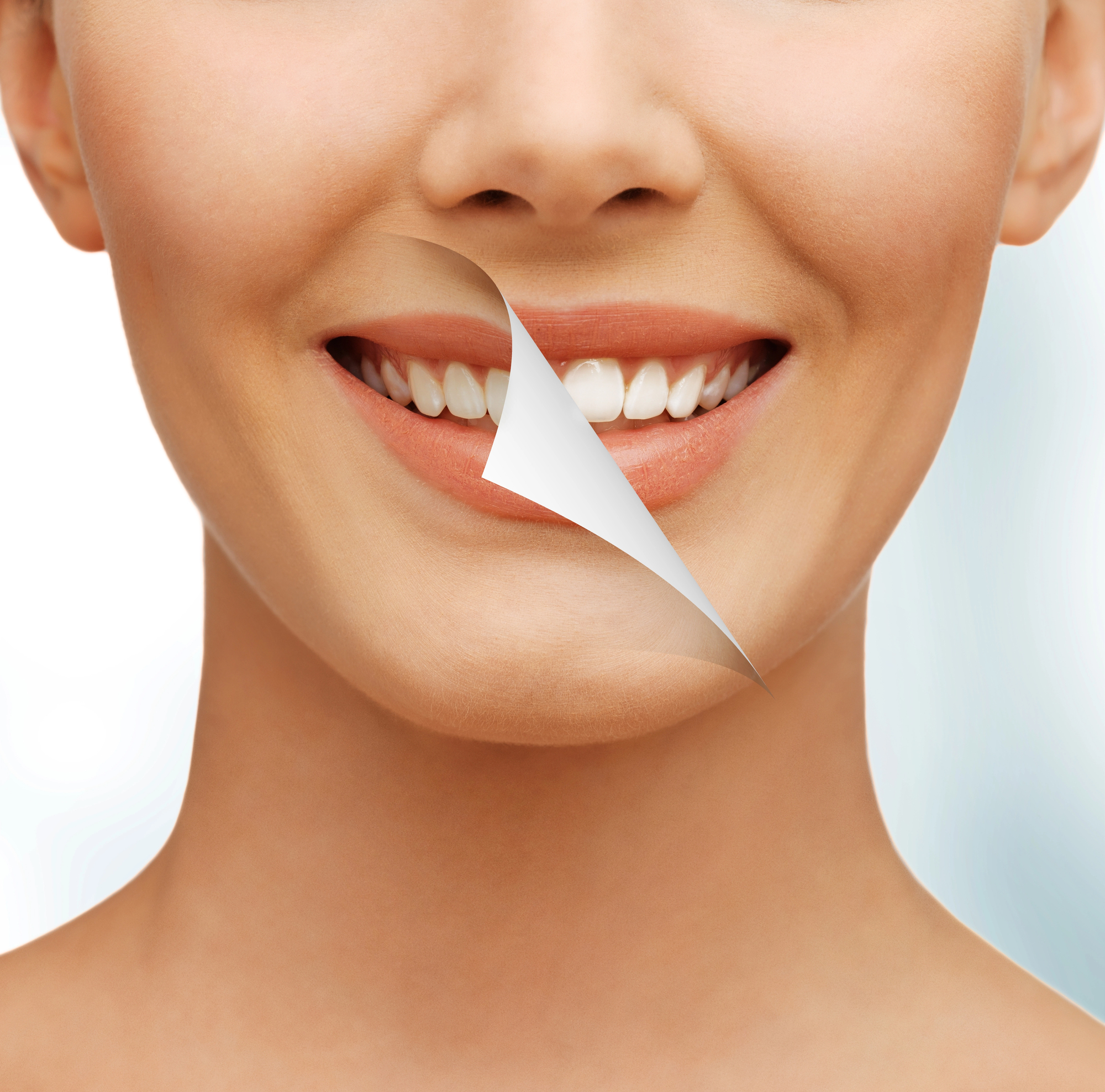
A healthy smile is important, but many people also want a smile that looks as good as it feels. Today’s cosmetic dentistry offers more options than ever before for improving the appearance of teeth while maintaining a natural look. At Austin Laser Dentist, Dr. Helen Ragsdale helps patients achieve their goals through personalized smile makeover treatment plans tailored to their unique needs. Whether the concern is stained teeth, worn enamel, gaps, chips, or misalignment, a smile makeover can often address multiple issues at once and create dramatic results.
Interested in enhancing your smile? Call Austin Laser Dentist at 512-346-4690 to schedule a cosmetic consultation and explore your treatment options.
What Is a Smile Makeover?
A smile makeover is not a single procedure.
Instead, it is a customized treatment plan that combines cosmetic and restorative dental procedures to improve the appearance, function, and health of a patient’s smile.
Depending on individual needs, a smile makeover may include:
- Professional teeth whitening
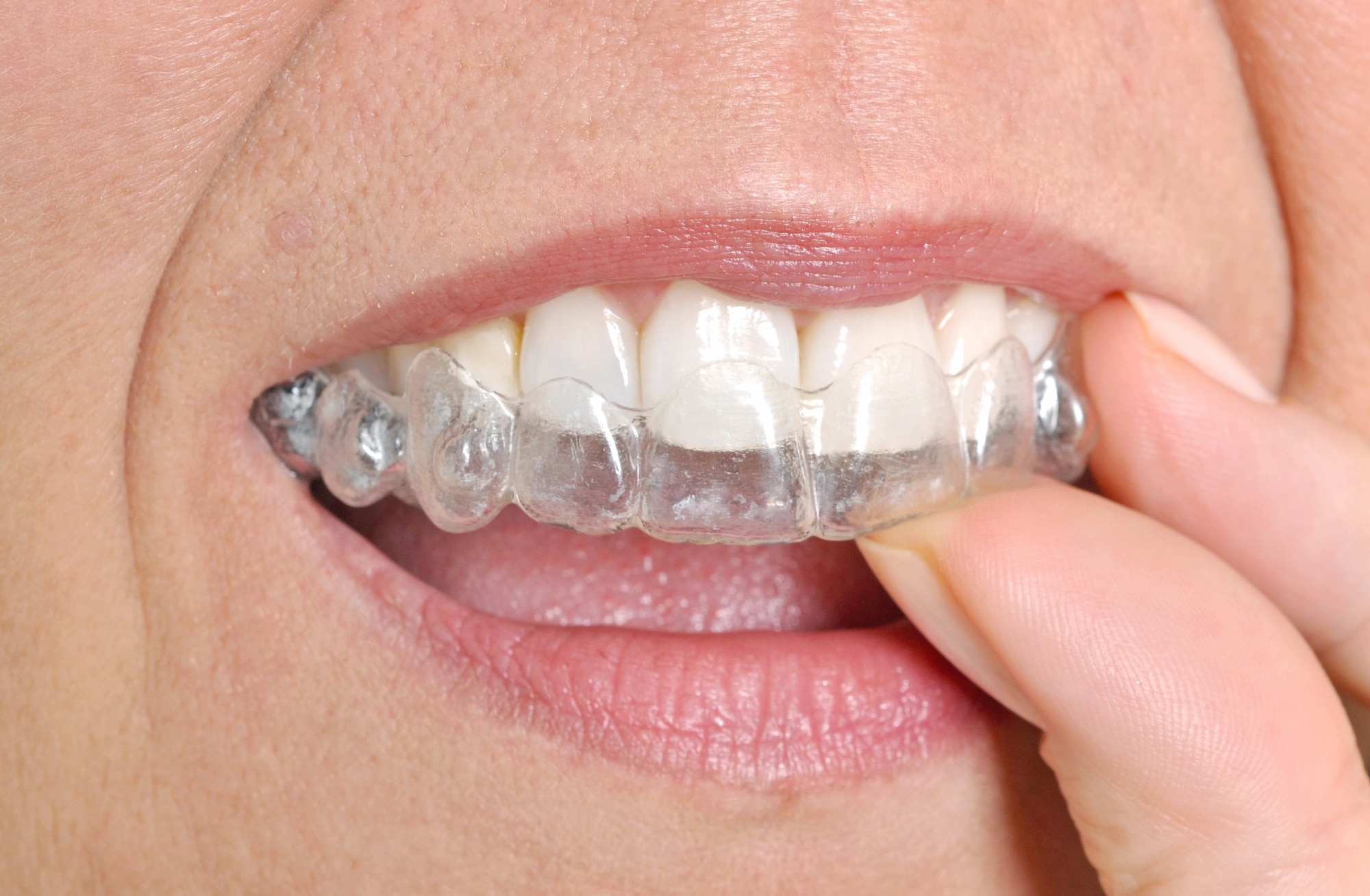
- Invisalign
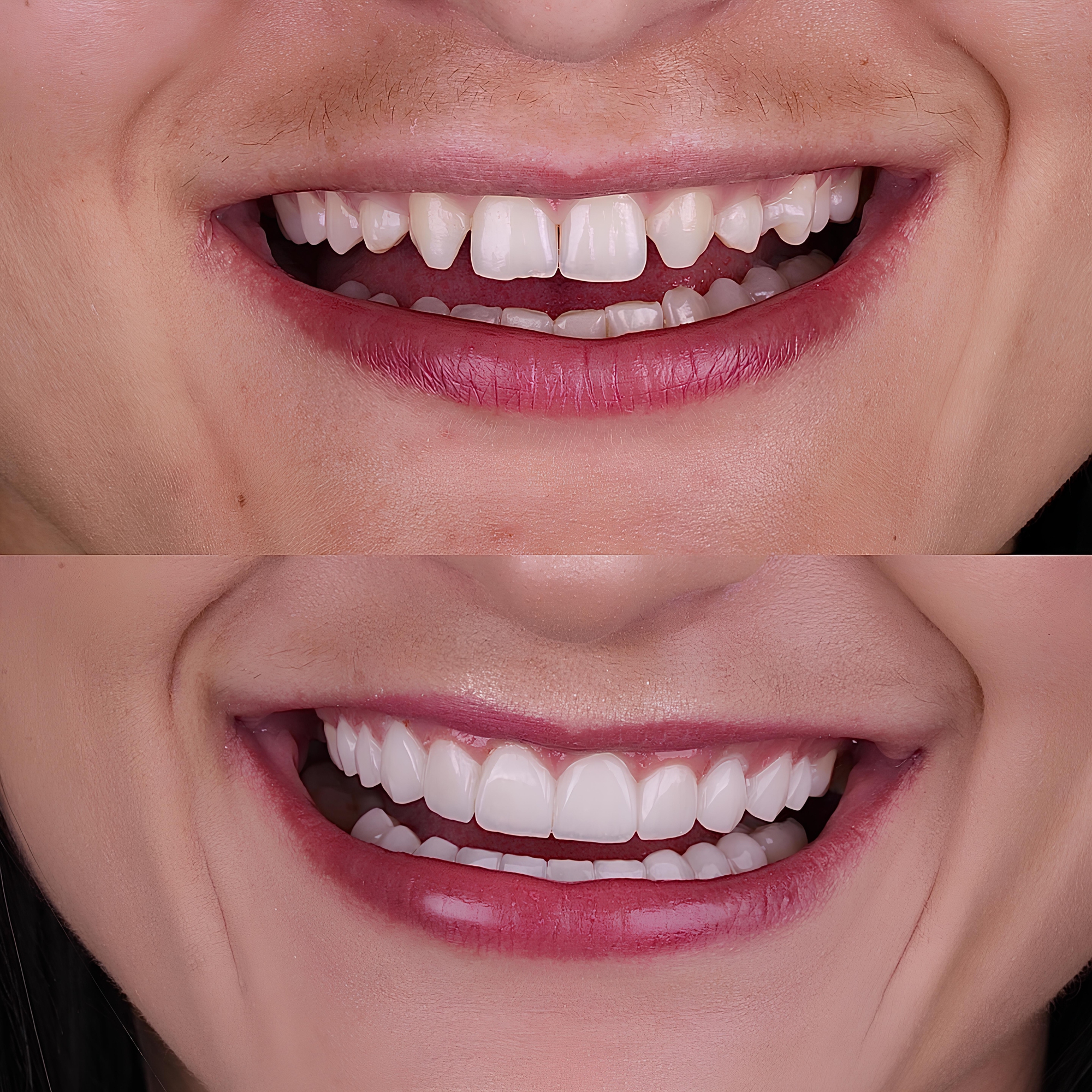
- Porcelain veneers
- Dental bonding
- Dental implants
- Gum contouring
- Tooth-colored restorations
- Replacement of older dental work
Every smile makeover is different because every patient has different goals and concerns.
Why Cosmetic Dentistry Continues to Grow
Interest in cosmetic dentistry has increased significantly over the past several decades.
The American Academy of Cosmetic Dentistry reports that many patients seek cosmetic treatment because they believe an improved smile can positively affect self-confidence, personal relationships, and professional interactions.
People often invest in cosmetic dentistry before:
- Major life events
- Weddings
- Career changes
- Public-facing roles
- Retirement
- Family milestones
Others simply want to feel more confident when smiling in photographs or interacting with others.
Confidence Is Often the Biggest Benefit
While cosmetic dentistry focuses on appearance, the emotional impact can be substantial.
Many patients spend years hiding their smiles due to concerns about discoloration, chips, gaps, or crooked teeth.
After treatment, patients frequently report feeling more comfortable:
- Smiling in photos
- Speaking in public
- Meeting new people
- Participating in social activities
- Attending professional events
Although cosmetic dentistry cannot change every aspect of life, feeling confident about your smile can influence daily interactions in meaningful ways.
Modern Cosmetic Dentistry Prioritizes Natural Results
One reason smile makeovers have become increasingly popular is that today’s cosmetic dentistry looks more natural than ever.
Patients are no longer seeking overly bright, artificial-looking smiles.
Instead, most people want results that:
- Complement facial features
- Match skin tone
- Preserve individuality
- Look healthy and natural
Modern materials and digital treatment planning allow dentists to create customized outcomes that fit each patient’s unique appearance.
The goal is often for people to notice the smile looks great without being able to identify exactly why.
Smile Makeovers May Improve More Than Appearance
While aesthetics are often the primary motivation, some smile makeover procedures may also improve oral health and function.
For example:
Straighter Teeth Can Be Easier to Clean
The American Dental Association notes that properly aligned teeth are generally easier to brush and floss effectively.
Orthodontic treatment such as Invisalign may improve both appearance and oral hygiene access.
Replacing Missing Teeth Supports Function
Dental implants and other tooth replacement options can help restore chewing ability while preventing neighboring teeth from shifting.
Repairing Damaged Teeth Helps Protect Them
Treatments that address worn, chipped, or fractured teeth may improve both appearance and long-term durability.
For many patients, cosmetic and functional benefits go hand in hand.
Why Austin Residents Value Personalized Treatment
Austin is known for individuality, creativity, and self-expression.
As a result, many local patients prefer personalized cosmetic treatment plans rather than one-size-fits-all solutions.
A smile makeover begins with a conversation about:
- Personal goals
- Budget considerations
- Lifestyle preferences
- Oral health needs
- Desired timeline
This collaborative approach allows treatment to be tailored specifically to the patient rather than focusing solely on cosmetic trends.
Is a Smile Makeover Right for You?
You may be a candidate for a smile makeover if you are unhappy with:
- Tooth discoloration
- Crooked teeth
- Gaps between teeth
- Chipped teeth
- Worn teeth
- Uneven gum lines
- Missing teeth
- Aging dental work
The first step is a comprehensive evaluation to determine which treatments may help you achieve your goals.
In some cases, minor improvements can create a significant difference in overall smile appearance.
Your Smile Is an Investment in Yourself
A smile makeover is ultimately about more than appearance. It is about feeling comfortable, confident, and proud of your smile.
Whether your goals involve subtle improvements or a more dramatic transformation, today’s cosmetic dentistry offers solutions that can be customized to your needs.
If you’ve been thinking about improving your smile, there has never been a better time to explore your options.
Ready to discover what’s possible for your smile? Contact Austin Laser Dentist online or call 512-346-4690 today to schedule a cosmetic consultation and begin creating a personalized smile makeover plan.